A Century of ‘Town and Gown’
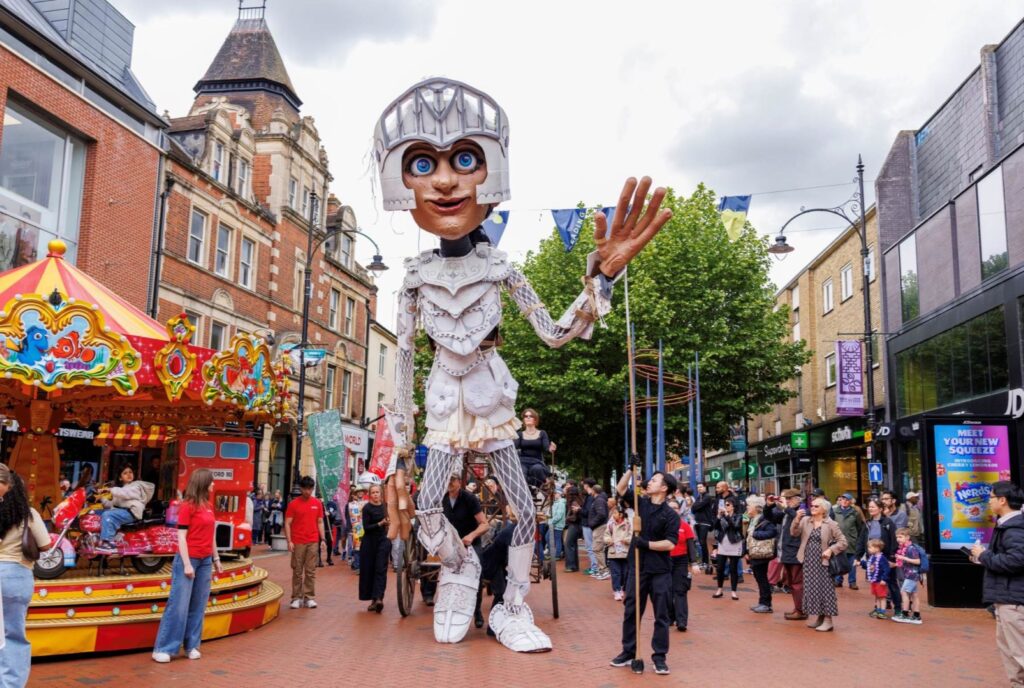
There can be little doubt that the University of Reading tries to be a good neighbour. Recent initiatives include the University’s ‘Hello Neighbour’ campaign. This is run in partnership with Reading Students’ Union and Reading Borough Council and evidences a clear commitment to fostering a spirit of co-operation with the local community. Judging by the attendance of over 10,000 people at our recent Centenary Community Festival and Rag Parade, the University’s efforts to make connections with local community groups across the Reading area seem to be effective. But has it always been this way and what can our University History Collection tell us about the history of relations between ‘Town and Gown’ in Reading?
-
Author
- Amanda
-
Published Date
- June 30, 2026
The University History Collection (UHC)
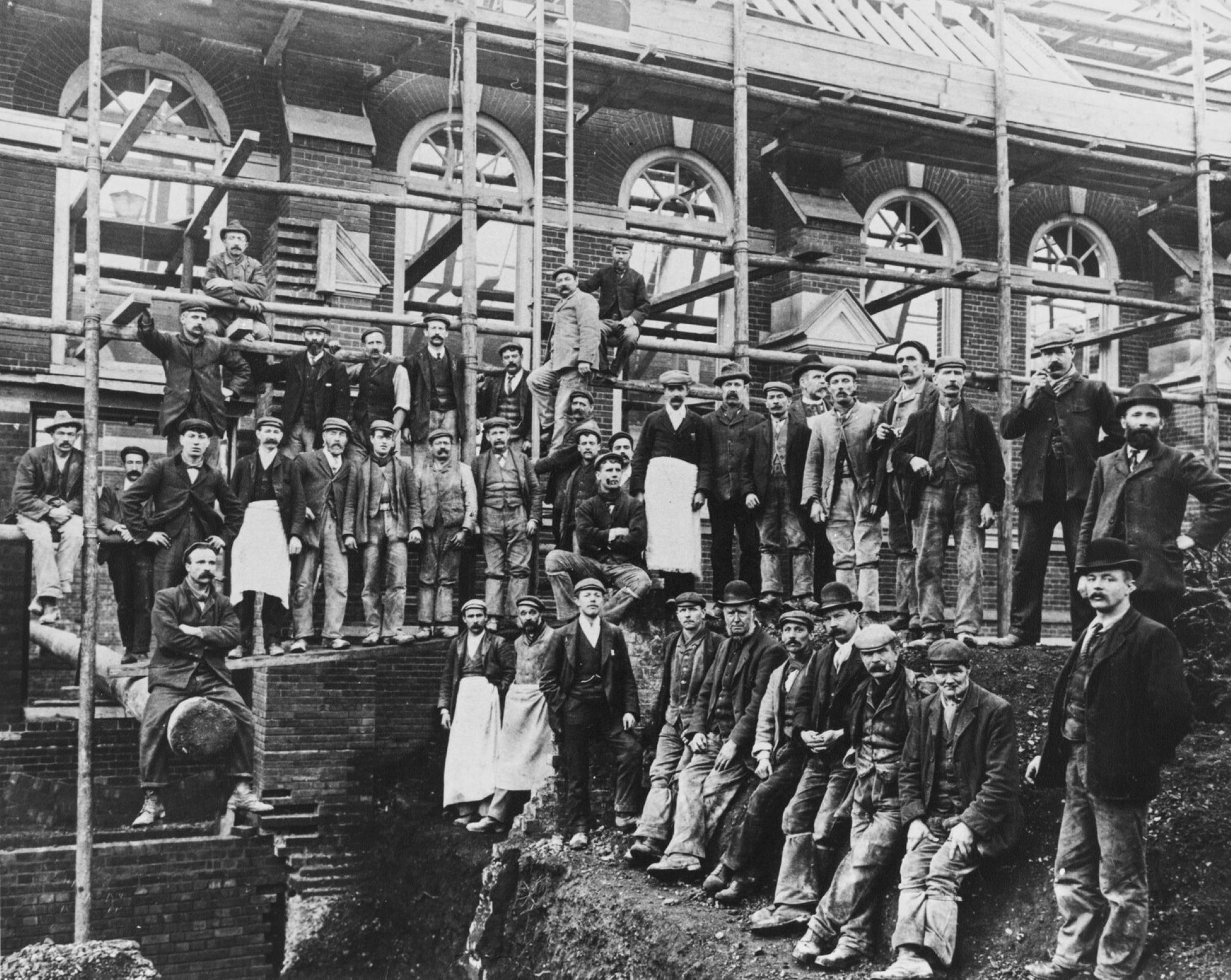
The UHC contains the records of the University’s evolution from its origins in the late 19th century through to the turn of the 21st century. In recent months, a small project team based at Special Collections on the London Road campus has been immersed in cataloguing and digitizing UHC materials in order to make them accessible to anyone wanting to find out more about the University’s heritage.
My particular area of focus was to catalogue the UHC’s ‘Communications’ series (UHC CO). The range of materials in UHC CO is broad – from internal memoranda to publications, from students’ handmade protest posters to glossy corporate marketing material, from professional photographs of ceremonial occasions to snaps of informal reunions. They convey a wealth of information about the University’s relations with staff and student bodies, the media, and other stakeholders. They also tell the story of the University’s relations with its local community. Happily, this really does seem to be a good news story.
A good news story
There can be little doubt that relations between ‘Town and Gown’ started well. Starting with the University’s early origins as the University College Reading, a clear spirit of collaboration between the University, Reading Town Hall and other local bodies is apparent. Indeed, there is almost a sense of partnership reflected in some of the earlier materials found in UHC CO.
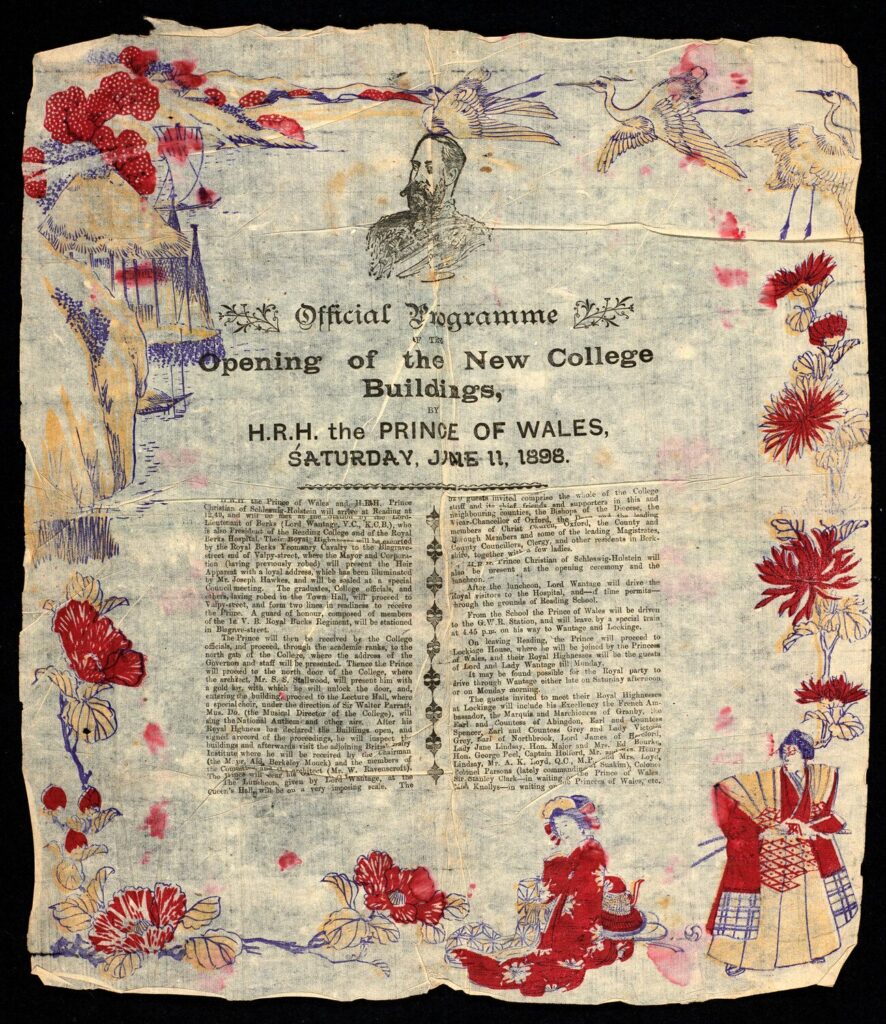
Many of UHC CO’s most eye-catching materials were produced to celebrate key moments in the University’s development and we have numerous items of ephemera which help to capture the flavour of these occasions. This may seem a good point to acknowledge that ephemera of this type will always have been created to ‘accentuate the positives’. Nevertheless, my favourite example is a serviette printed with the order of proceedings for the opening of new buildings at University College Reading by the then Prince of Wales in June 1898¹. Quite why these details were printed onto such flimsy material remains unclear. Astonishingly, three have survived and they record the fact that, along with the great and good of the University and the Town Hall, those attending included representatives of numerous local bodies, other Berkshire residents (and even ‘a few ladies’!).
This sense of co-operation and partnership appears to have continued into the early 20th century which saw the development of the University’s London Road campus. With each new building came an opening ceremony and UHC CO has the guest lists, table plans, press cuttings and official photographs for many of these ². From them we can see that these events were habitually attended by representatives of the broader Reading area, albeit largely from the more ‘well-heeled’ strata of society.
So, what of the broader community? Publicity material in UHC CO shows that the University did try to engage with a broader cross-section of Reading society through its public lectures series³. Covering the widest possible range of subjects, these freely available public lectures have been a continuing feature of the University’s efforts to engage for more than a century now.
But is this almost too good to be true?
Town versus Gown?
If I am honest, I was expecting the UHC CO materials to reveal a modicom of mutual suspicion reflected in the dealings between the University and the local community. An element of tension, more ‘Town versus Gown’. In a 1966 memorandum proposing that Reading Students’ Union should limit dances at the Great Hall to ‘Students and Guests only’ there is a reference to ‘Townees’. Whilst the stated reason was an understandable concern about under-age drinking and not exceeding licensing numbers, there is still snobbery in the contextual use of that term ⁴. And there can be no mistake about the irritation felt by the University’s neighbours at some of the ‘ragging’ which went on during some of the earlier RAG weeks. As a Miss Herron wrote in February 1949⁵, ‘Since my day commences at 5 am, I have no wish to be awoken by hooligans in the night. Further will you please arrange for the paint to be removed from my premises’. Quite.
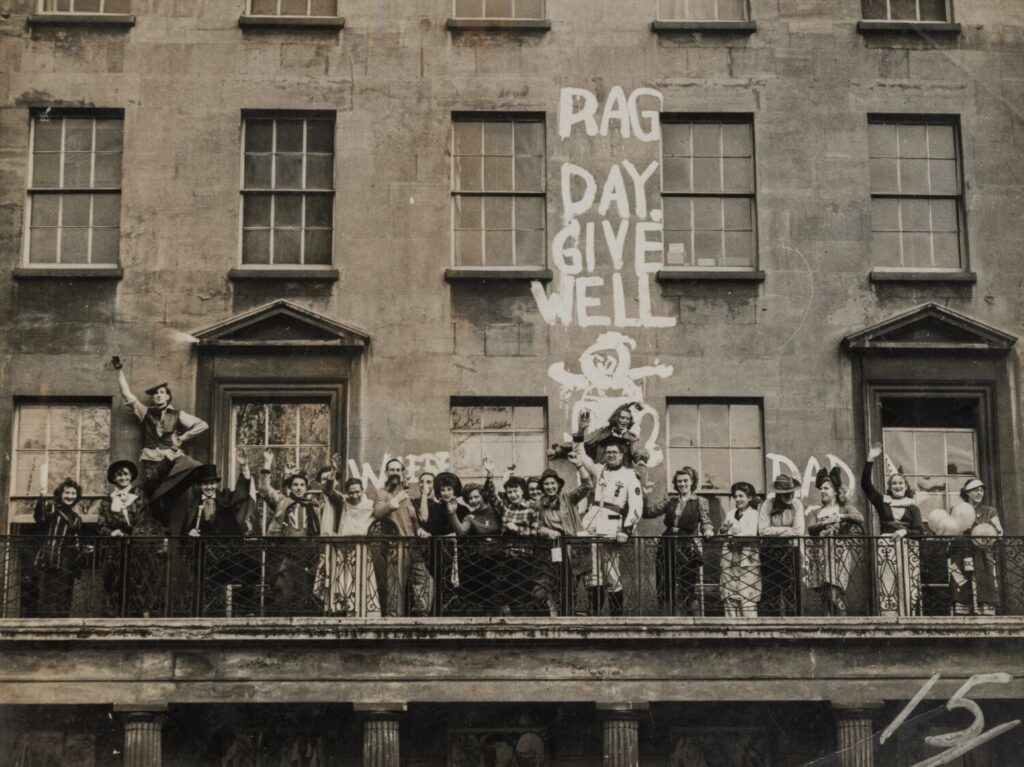
But otherwise, UHC CO stands testament to how well ‘Town & Gown’ have worked together over the years. I was particularly touched by a file of correspondence from 1959 concerning a Royal Humane Society presentation to three students who had helped to save a boy from drowning in the Thames⁶. It was heartening to learn that the students had been commended by Reading Borough Police. Likewise, the efforts made to ensure that a fourth rescuer, a Reading resident but not a member of the University’s staff or student bodies, would also receive his Testimonial at the presentation ceremony.
This same file⁶ also revealed correspondence from the mid-1950s about a hospitality scheme run by the Victoria League and Reading Rotary Club in which accommodation with Reading families was offered to the University’s international students. Clearly, the spirit of co-operation and goodwill was there from Reading’s residents. But what of the University?
A set of internal papers from the 1980s puts the University’s perspective very distinctly⁷. These relate to the University’s role in an arts festival run in collaboration with various Reading-based organisations.
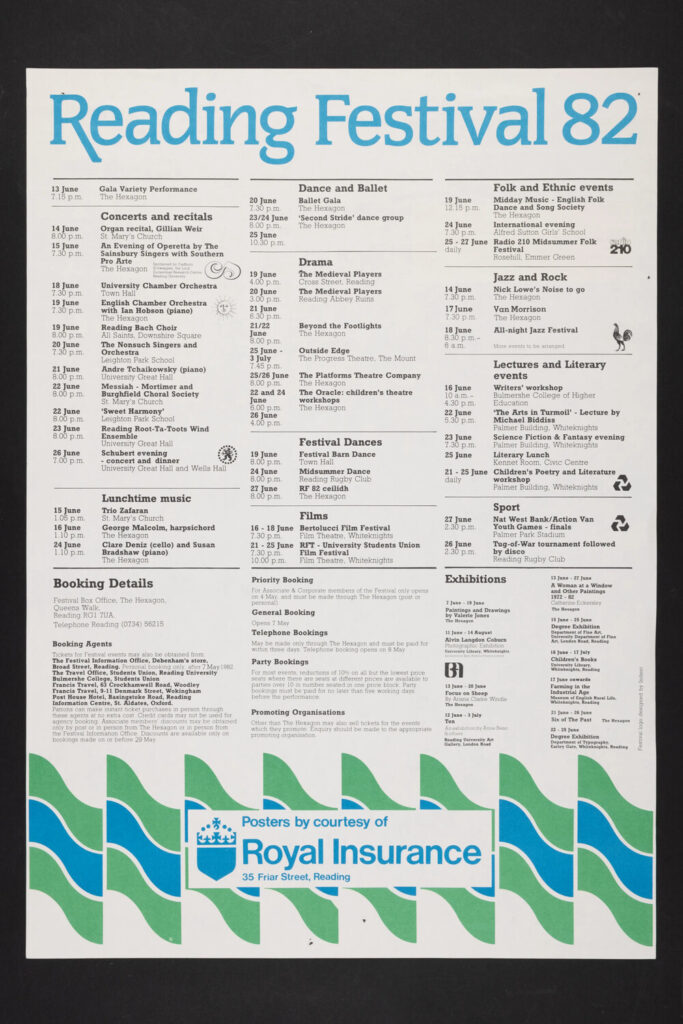
Whilst a prime purpose of the University’s involvement was to stimulate interest in the arts in the Reading area, the meeting papers for this festival reveal that another key aim was to ensure a close relationship between the University and the local community.
Today, the University has emphasised its commitment to creating ‘a University for Reading by working together with local partners to benefit the lives of our local community’. The evidence of UHC CO, is that there are firm foundations already in place for this work.
Town and Gown, not Town versus Gown.
Footnotes
- UHC CO1/3/1/1- Printed serviette showing the official programme for H.R.H The Prince of Wales’ visit
- UHC CO1/2/11 -Building openings, ceremonies and inaugurations
- UHC CO1/2/3 – Public Lectures
- UHC CO6/3/6 – Correspondence – ‘Students’ Union Dances’
- UHC CO6/3/3- Correspondence with the Students’ Union – 1940s
- UHC CO6/3/4 – Correspondence with the Students’ Union – 1950s
- UHC CO5/1/3 – Reading Festival Society, 1982 – 1989
-
Published Date
- March 9, 2026
Visualising class, disability, and race on the Victorian stage
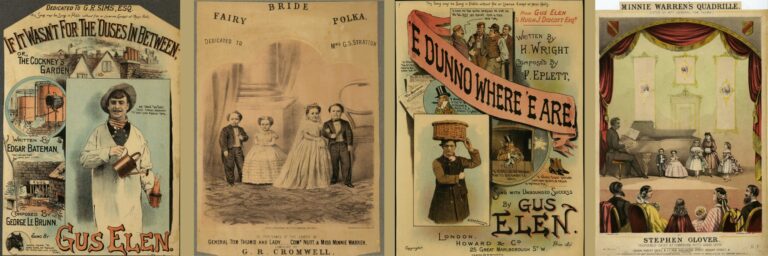
This post introduces, via sheet music covers, a few more real individuals whose stories can be used to explore histories of marginalised people. With only 800 of the covers catalogued so far, there are sure to be countless stories still waiting to be rediscovered.