Mills & Boon: The Surprise Archive
Researcher Vic Pickup shares ten astonishing facts about the Mills & Boon archive held in the University of Reading's Special Collections
-
Author
- Danni
-
Published Date
- February 13, 2026
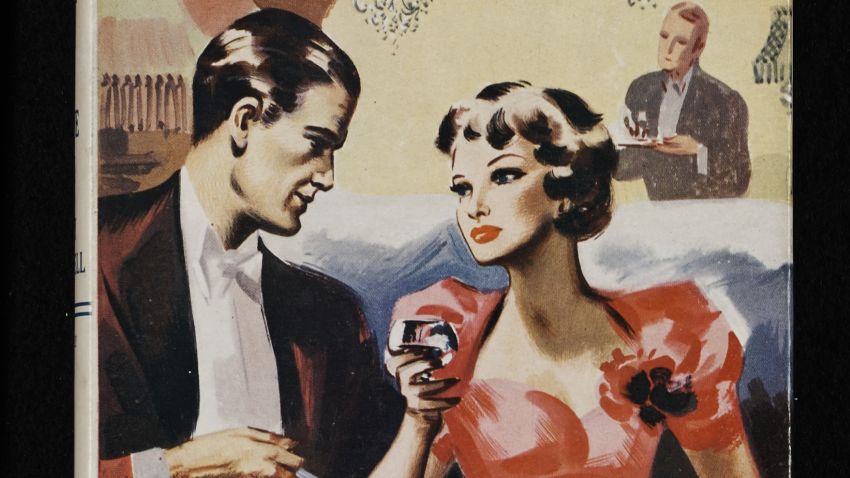
Having long been a lover of a good romance novel, it was a dream come true to be granted permission to study for a PhD based upon the Mills & Boon archive. Without any real idea of the archive’s size and with little academic work previously conducted on its contents, I was in for a big (and rather wonderful) surprise.
Here are just ten morsels of trivia about the collection which go some way to highlight just how special it is.
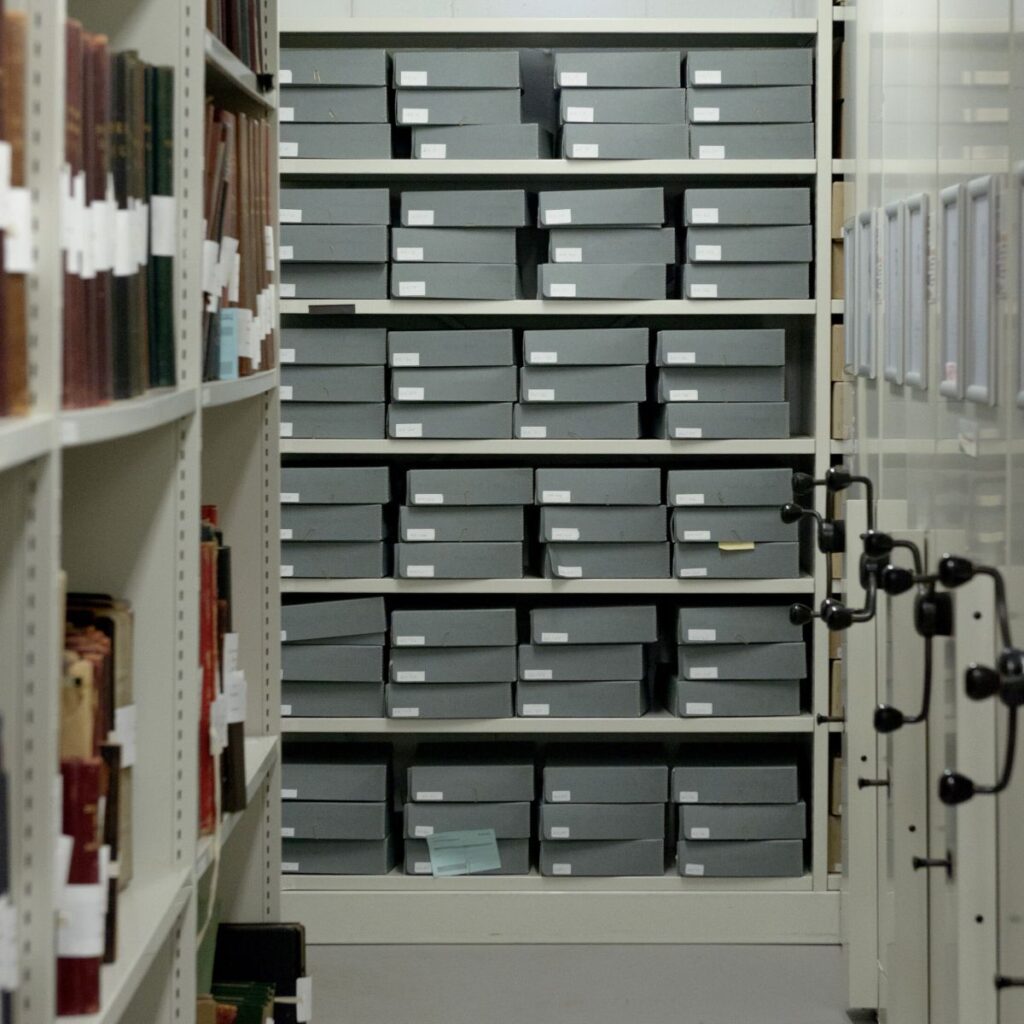
1. The Mills & Boon archive contains approximately 70,000 letters. Most of these letters are written between Alan Boon and 86 female authors between 1940-1976. They are rich and revealing, not only in what they tell us about the initial approach of authors submitting their manuscripts and the subsequent editorial and publishing process, but also what they tell us about the unique bond between Alan and his authors. It’s the warmth within these letters which speaks so much – providing the authors with a space to write about their lives, loves and the seriousness with which they regarded their work. The inclusion of such details spanning decades has culminated in a valuable source of context surrounding not only the books but a changing society.
2. Most of the authors wrote under pseudonyms, some had several different writing names. Not only would this grant anonymity, booksellers such as WH Smiths would only place a certain number of books from each author on their shelves. By donning several identities, this would allow the authors to display more titles under different guises, resulting in boosted sales.
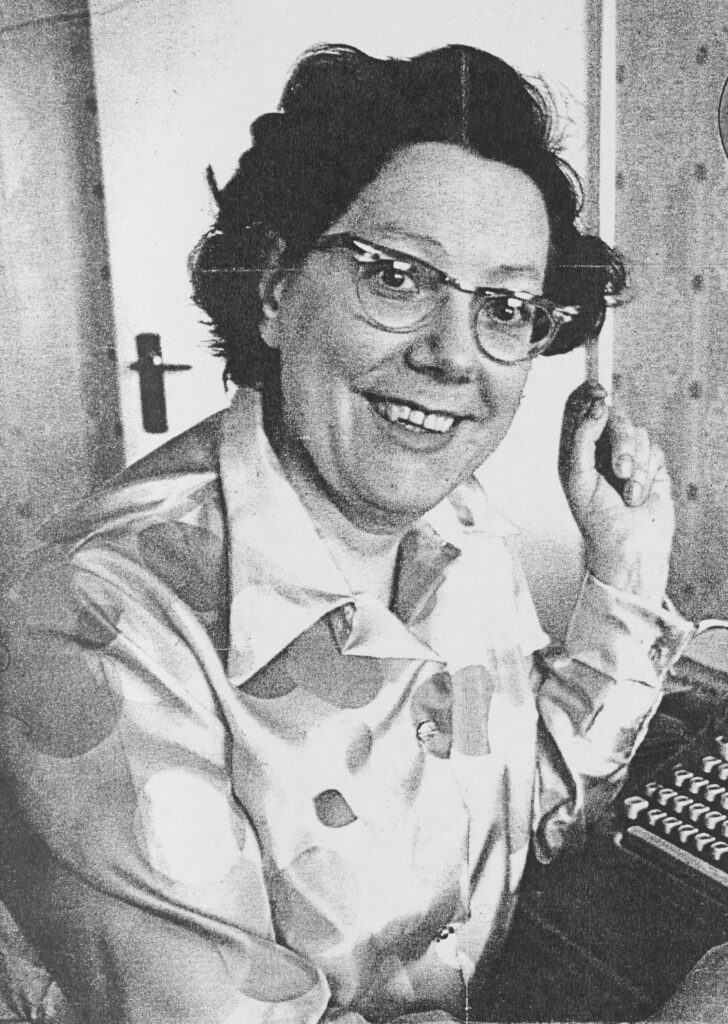
3. Many authors were working-class and had other jobs. Self-confessed cockney Violet Winspear (pictured left [MB/Add 7/4]) worked 24 different factory jobs from 1942 before becoming a full-time author in 1963. Others were nurses, teachers, journalists, farmers, mothers and carers, and many served in the Second World War.
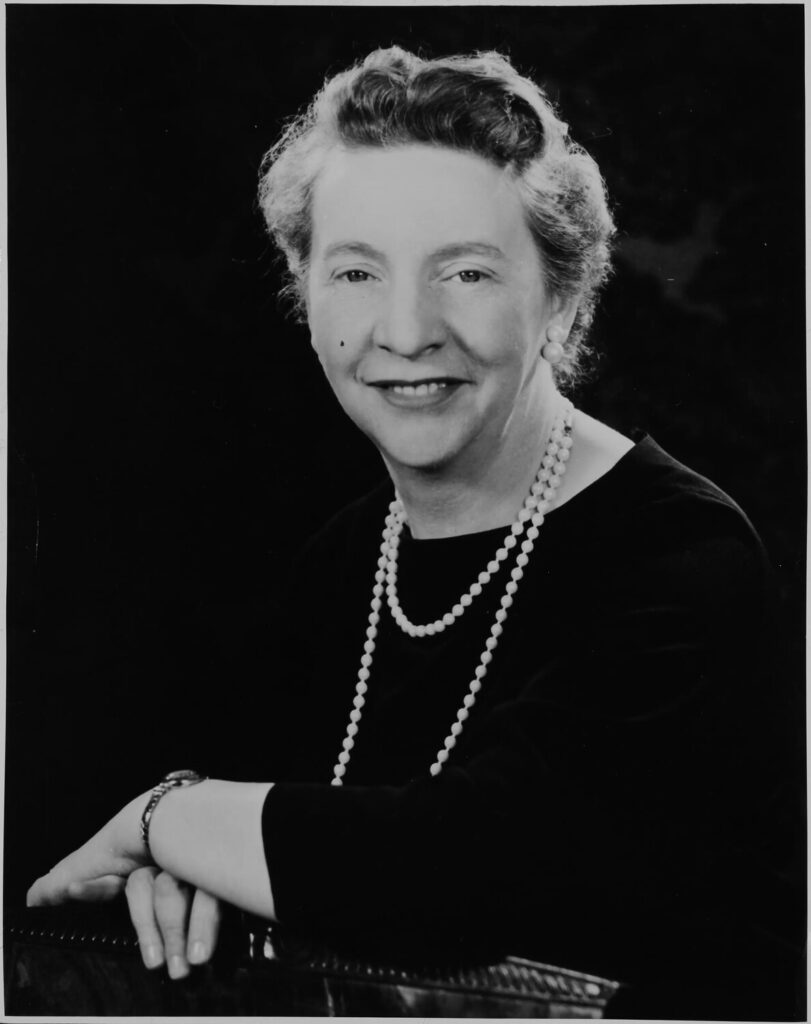
4. Some authors earned huge sums and did remarkable things with their earnings. For some, these earnings amounted to a six-figure salary today. Ida Cook (pictured left [MB/Add 7/1]), who wrote under the name Mary Burchell, used her earnings to personally facilitate the rescue of 29 Jews from Nazi Germany. Though for some, cheques were flowing nicely through the letterbox, it was not always easy to spend their hard-earned money. Alan acted as referee for several writers so that they could secure mortgages and when one author attempted to restore her local church, the builders wrote to Alan sceptical about whether a romance writer could afford it.
5. Despite the success, money, huge readership and influence, the authors were aware of the stigma attached to being a romance writer. Press cuttings reveal how disparaging the press could be. One newspaper described author Gloria Bevan as ‘A pleasant, modest, unassuming woman, she probably typifies… the unremarkable housewife who waits beside you at the supermarket cash desk.’[1] Bevan wrote 25 novels for Mills & Boon having already had a successful career writing detective novels under the name Fiona Murray.
6. Some authors chose to write in secret. One prolific writer never revealed to her family where the ‘surprise’ large cheques came from, but kept one hardback first edition of each novel she wrote in a suitcase on top of her wardrobe. Another almost lost her job as a nurse because her ‘extra-curricular’ activities were frowned upon by the nursing association in the hospital where she worked. She was asked to stop writing, which fuelled her to write even more: ‘I am going as fast as I can with the books as I don’t want to be sacked before they can earn me enough to live on!’[2]
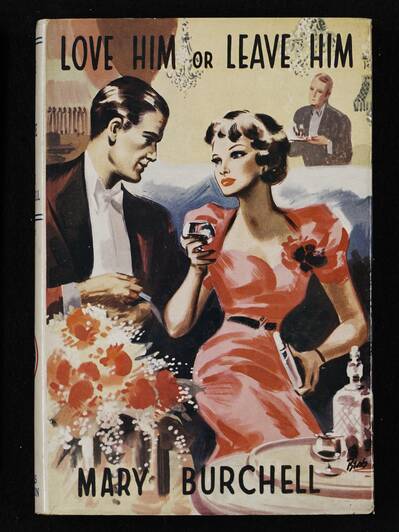
7. Contrary to popular belief, Mills & Boon authors were skilled and imaginative writers. They produced a conveyor of books featuring a tightly controlled narrative and character development which captured the hearts of a broad readership. Under the management of Alan and John Boon, Mills & Boon books were careful to avoid controversial situations and subjects which may have been triggering to certain markets. Instead, they continually produced a model which delivered reliable excitement and joy, ultimately becoming the purveyors of a guaranteed happy ending.
8. Mills & Boon made dreams come true for authors and readers alike. Millions of women around the world looked to the brand for a reliable uplift, affordable to buy as mass-market paperbacks or accessible on loan through their local library. One library’s records from 1935 show a single copy of a Mills & Boon title was issued 740 times in one year. The brand donated books to hospitals, where their medical titles proved ever-popular, and when the Berlin Wall came down, staff from the office in the West of the city handed out 750,000 copies of Mills & Boon titles to East German women in a single day.[3] For the authors, their earnings enabled them comfort, success and to help others in need: author Vivian Mann was so distressed by news reports of the Hungarian Revolution on 1956, she donated all proceeds from her latest novel to the Red Cross Hungarian Relief Fund.
9. While Alan Boon’s younger brother John Boon CBE is frequently credited with the success of the business, it was Alan who built strong relationships with the community of authors which would make Mills & Boon a household name. The accounts of those who worked with Alan reveal him as the glue in a business run with heart. Through his letters he emerges as a respectful and generous editor who frequently demonstrated loyalty to his authors, long after they became lucrative to his business.
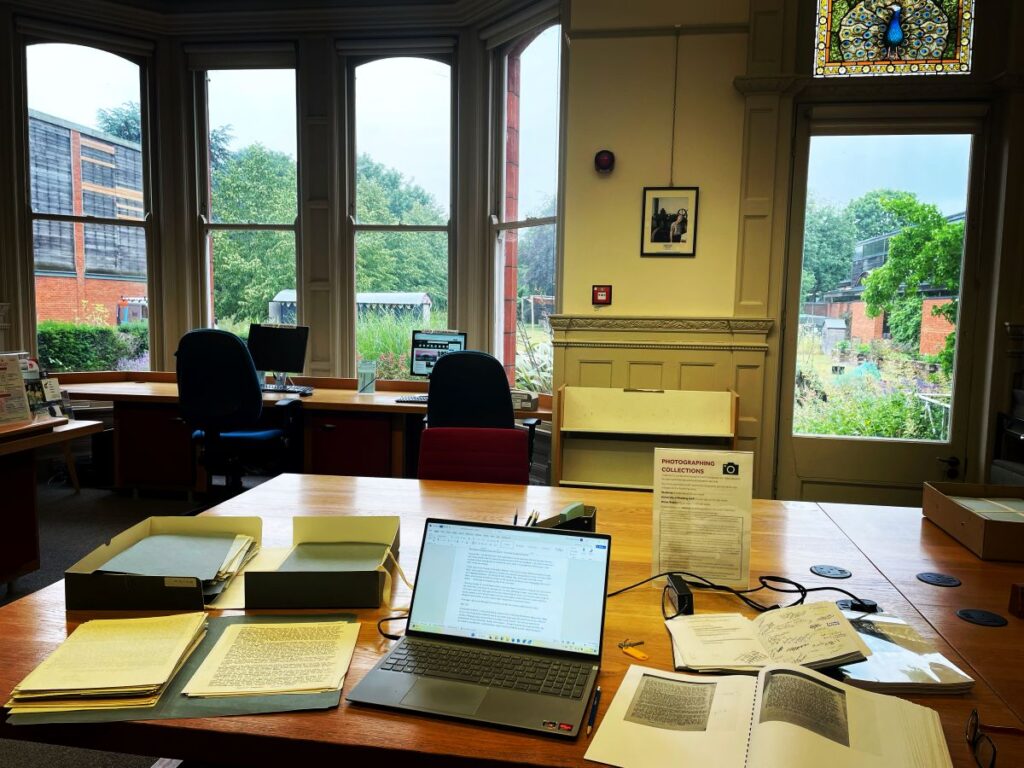
10. Working with archival documents is an emotional business. I’ve shed many tears in the quiet of the reading room and laughed out loud on many more occasions, much to the concern (and confusion) of those around me! From the sudden change in handwriting with a relative informing Alan of an unexpected death to the appearance of an author portrait after days spent immersed in their personal letters. The physicality of these documents made it impossible for me to not become emotionally ensnared by the contents of this remarkable archive.
I didn’t expect to fall in love with the story of a publisher. Nor to develop a personal mission to tell the world about what I have found in the Mills & Boon archive. Until I opened the first box of letters, I had no idea of the importance of the brand, considered so essential to morale on the homefront during the second world war the company was granted exemption from paper rationing. Now, the world is catching on – putting aside the negative typecasting and recognising the success of a company that gave women agency and a means of escapism. This remarkable business, directed by men but built with the skill and labour of ambitious women, is the ultimate success story, resulting in its rose livery still flourishing in reader’s palms around the world well into its second century.
References
[1] Iain Macdonald, ‘The Pacific Paradise Called New Zealand’, New Zealand Herald, 2 Jan. 1974, held in Mills & Boon archives, file MB/AB/1/006.
[2] Jean Blyth to Alan Boon on 11th September 1967, Mills & Boon Archive, Reading University’s Special Collections held at the Museum of English Rural Life, London Road, Reading, file MB/AB/1/011
[3] Joseph McAleer, Passion’s Fortune: The Story of Mills & Boon (Oxford; New York: Oxford University Press, 1999
Continue Exploring…
🔗 Find out more about the Mills & Boon Archive & Library →
🔗 Explore dustjackets of Mills & Boon books on our Virtual Reading Room →
Latest News and Views
-
Published Date
- March 9, 2026
Visualising class, disability, and race on the Victorian stage
This post introduces, via sheet music covers, a few more real individuals whose stories can be used to explore histories of marginalised people. With only 800 of the covers catalogued so far, there are sure to be countless stories still waiting to be rediscovered.