New exhibition: Ex libris – marks of ownership in rare books from the University of Reading Special Collections
-
Author
- micheledrisse
-
Published Date
- April 12, 2016
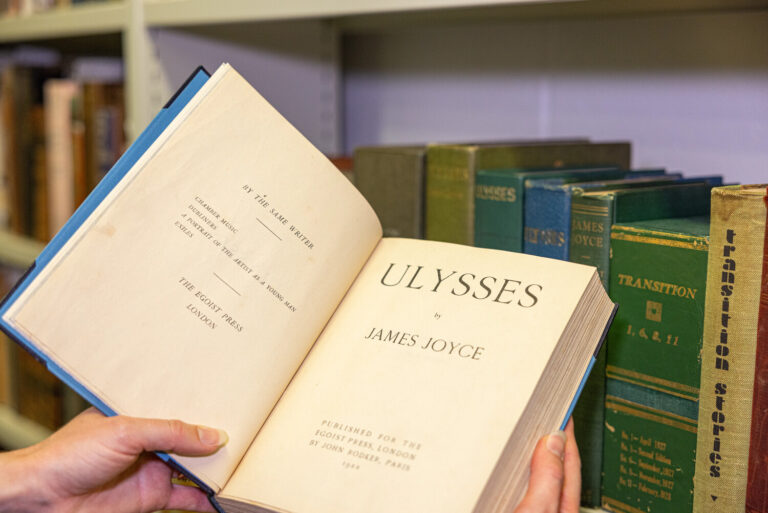
Rare books often contain a variety of features which make them important and interesting historical artifacts beyond their texts. Marks of ownership and provenance can reveal not only who once owned a book, their profession and an indication of their interests and character, but also where they acquired the volume, what they paid for it and their opinions about the text. Ownership marks also serve to document the unique history and journey of a book as it passes through the hands of different owners over time.

Our new exhibition, ‘Ex libris – marks of ownership in rare books from the University of Reading Special Collections’, invites the viewer to explore the private relationship between readers and their books, and the variety of different ways in which book owners (both famous and long forgotten) from the seventeenth to the twentieth century have indicated ownership of their books through the use of bookplates, decorated bindings, inscriptions and annotations.

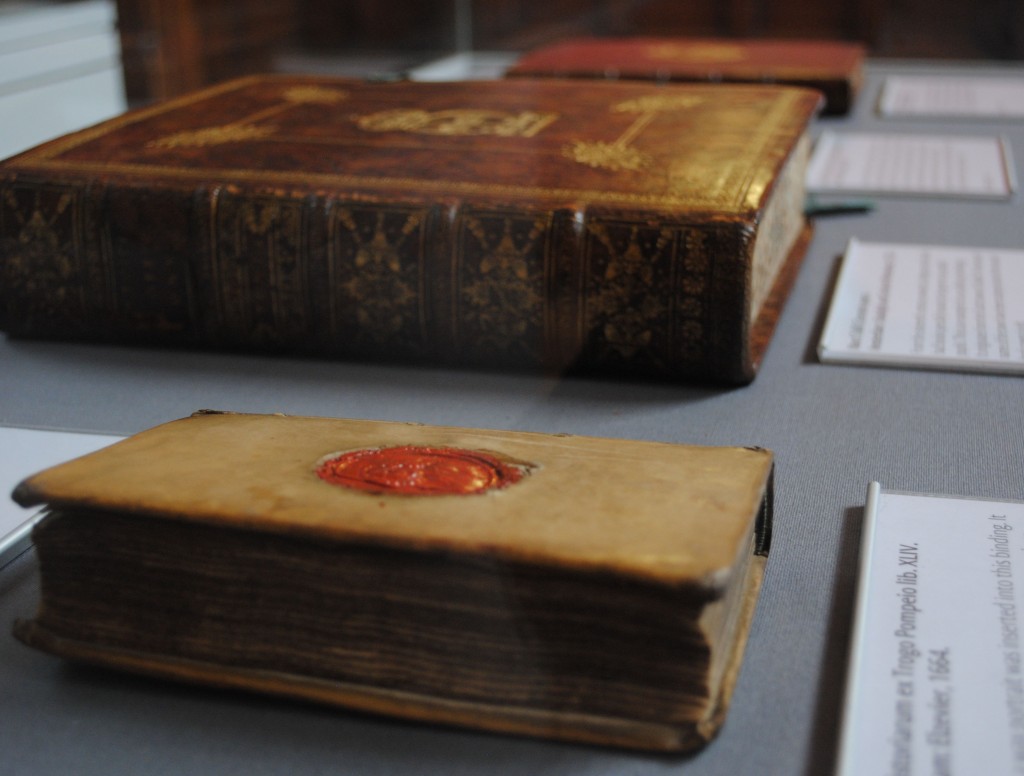
One of the items that is on display is this extraordinary binding on a 1664 edition of Justin’s History, in which a wax portrait was inserted. Before the 1830s, when automated bookbinding was introduced, bookbinding was carried out by trained artisans working individually or in small workshops. Customers often had their bindings personalised, usually by having their initials or coats of arms stamped onto the leather. This previous owner, however, appears to have come up with this original way of conveying his ownership of the book.

This book, a set of six metaphysical exercises, was designed for university use. A previous owner has had several additional blank pages added to the book, and filled them with copious notes in shorthand on metaphysical problems.

The exhibition also includes a large selection of bookplates. A bookplate, or ex libris (meaning ‘from the books of’), is a small print or decorative label, usually produced as an engraving, for pasting inside the cover of a book to express ownership. The use of bookplates as marks of ownership dates back to the last quarter of the fifteenth century.

The exhibition will be on display in the staircase hall at the Special Collections Service until 1 July 2016.