
University Heritage – Whiteknights Park, 1849-1946

A look at the ‘Goldsmid Era’ of Whiteknights Park.
The materials in this online exhibition were compiled by The Friends of the University of Reading as part of their University Heritage leaflet series. For further information about The Friends, including their annual programme of events, list of completed projects and printable copies of the University Heritage leaflets, please visit: thefriends.org.uk
Featured Image: Exterior view of Old Whiteknights House [UHC PH3/5/27/2]
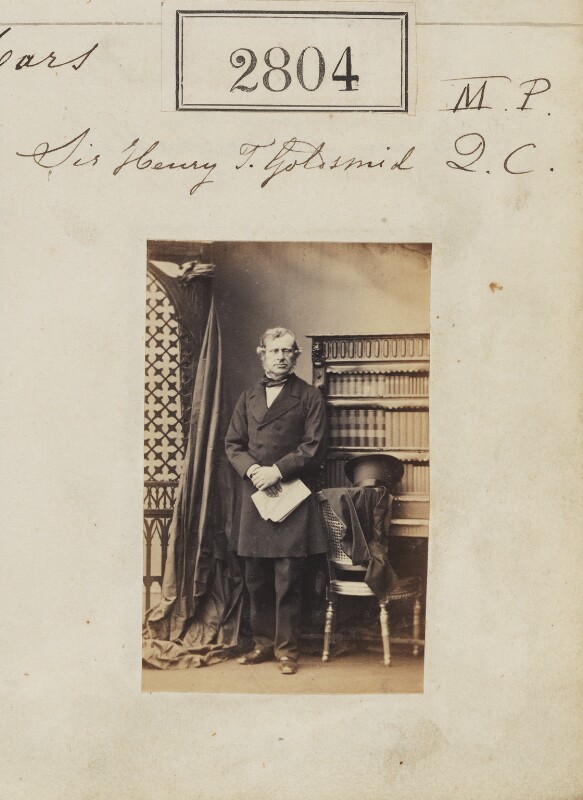
Goldsmid Family
Whiteknights was sold to the Cholmondley family and during the 1840s there were several unsuccessful attempts to develop it, none of which secured sufficient public support to come to fruition.
In 1849 Sir Isaac Goldsmid purchased the park and his family retained it until it was sold to the University in 1947. After Sir Isaac’s death in 1859 the estate passed to his son, Sir Francis, and on his death in 1878 to his nephew Sir Julian.
The Goldsmid family were wealthy bankers, the first Jewish family in the country to be awarded the title of Baronet and were integral in the development of London University.
Sir Francis Henry Goldsmid, 2nd Bt by Camille Silvy. © National Portrait Gallery, London
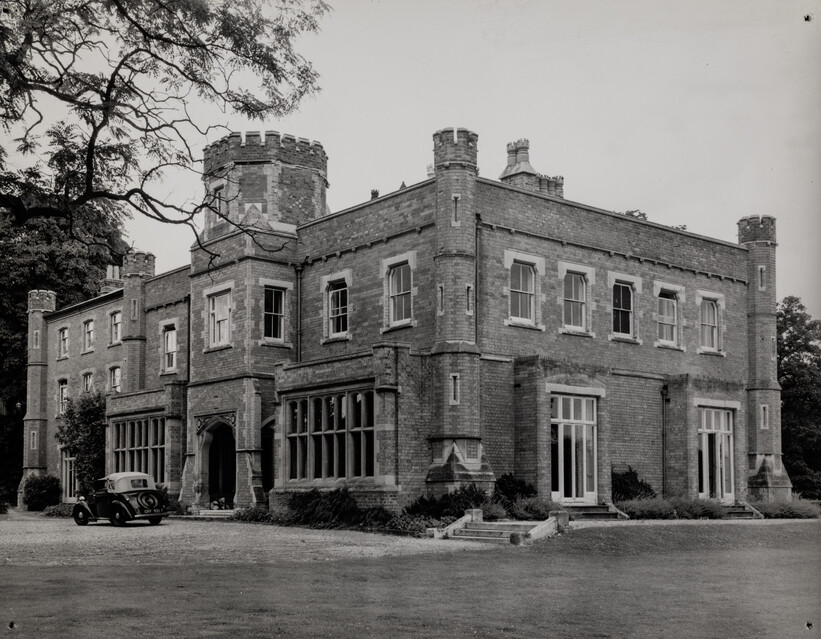
Park House
The Goldsmids did not develop the estate but leased it to Charles Easton, a Reading solicitor with permission to lease it for four houses.
The first lease was for Whiteknights Park, now Park House, which came with 51 acres and three lodges. Charles Easton built Whiteknights Park In 1859 for himself, on or near the site of the old house.
It was at least the third house to occupy the site, a successor to the houses of the Englefields and the Marquess of Blandford (demolished 1840). This site has probably been that of the manor houses since the 11th century.
(UHC PH3/5/28/2)
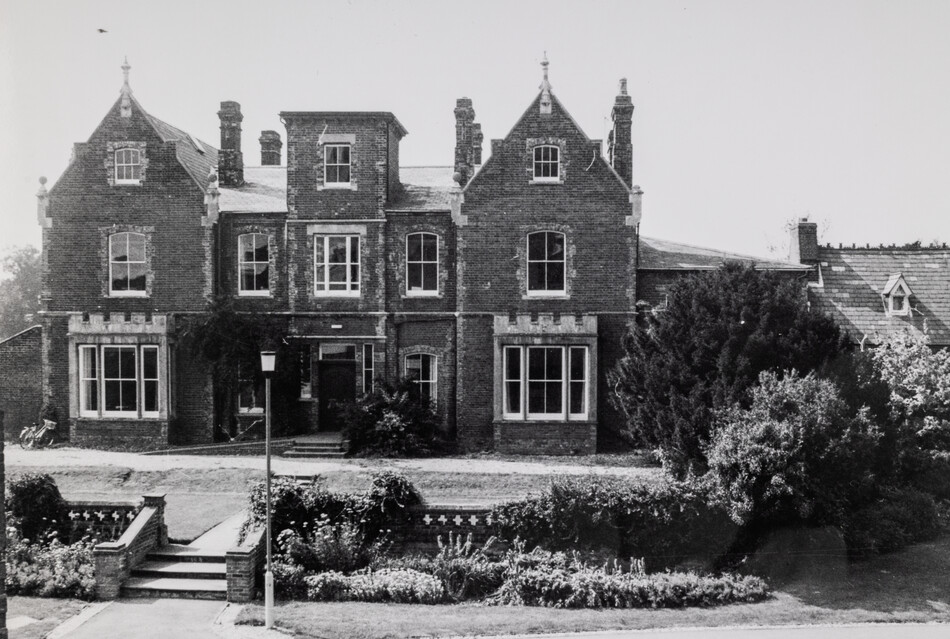
Old Whiteknights House
The second lease was for Whiteknights, now known as Old Whiteknights House, also built in 1859, with 70 acres and a new drive to Shinfield Road. Its grounds included part of Blandford’s Botanic Gardens and the Orangery.
Old Whiteknights House was the home of Alfred Waterhouse Senior, a retired Manchester merchant. It is of two storeys with gabled attic and a central turret in neo-Jacobean-gothic style.
During World War II the house was requisitioned by the Ministry of Works. The lease was acquired by the University in 1947 and in 1951 it became the home of the Museum of English Rural Life.
(UHC PH3/5/27/3)
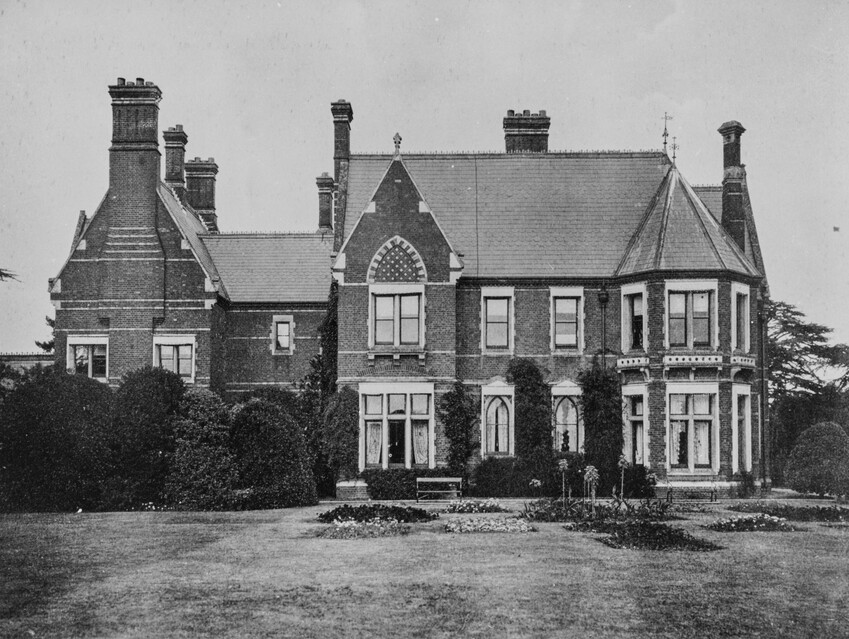
Erlegh Park
Erlegh Park, the third lease, was built in 1860 by Thomas Porter III, son of a West Indian plantation owner. Its grounds included a new lodge by the lake and the two early 19th century lodges at Earley Gate which date from the Blandford era.
It was designed in 1860 for Thomas Porter by Alfred Waterhouse
Erlegh Park was demolished in 1962, and was sited in the area now occupied by Wessex Hall.
(UHC PH3/5/30/1)
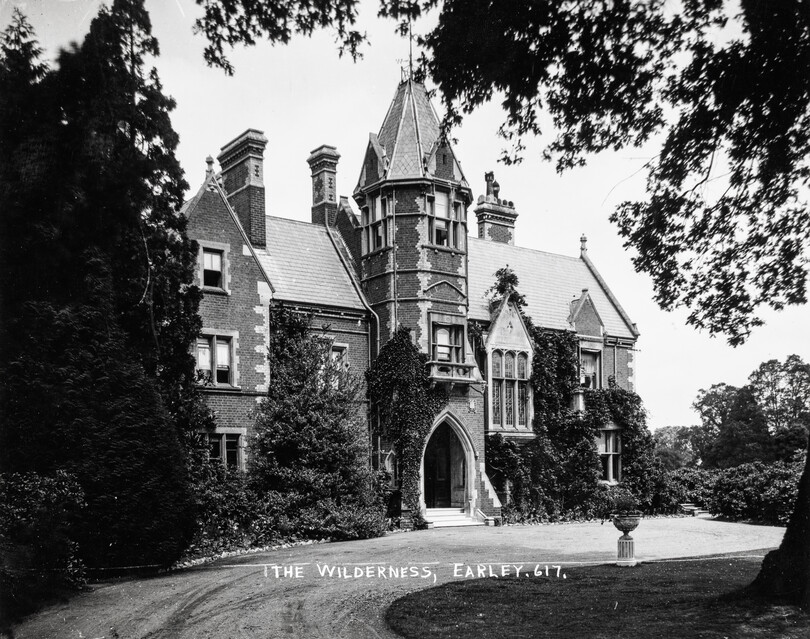
The Wilderness
The fourth house, The Wilderness, was built in 1865 for Henry Vyse. This had a lodge in Wilderness Road and another on the corner of Pepper Lane.
Although demolished in 1950, the house’s walled garden and lodges still exist and the site of the house may be found by following a decaying tarmac path which curves from ‘Wilderness Lodge’ through The Harris Gardens leading to a comparatively treeless area near The Grotto which was once the lawn in front the house.
(UHC PH3/5/26/1)
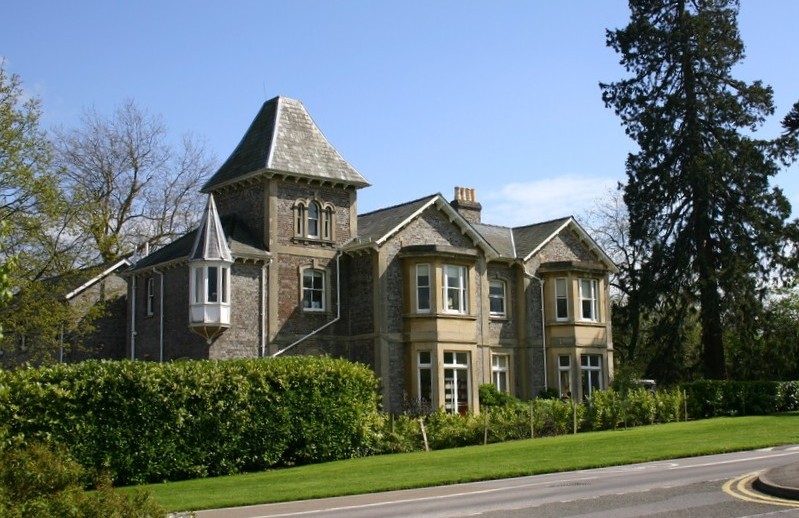
Blandford Lodge
Two further building leases were granted, the first for Blandford Lodge in 1867, the second to Foxhill in 1868.
Blandford Lodge, a grey brick building was erected in 1867 in 7 acres formerly in the Whiteknights Park lease. Henry Jago moved there in 1890. In 1902 The Misses Miller, daughters of Captain A C Miller lived at the house. Their father joined them the following year and the family remained in residence throughout World War I. They were followed by Brigadier-General A. W. Thorneycroft CB. During World War II the house was requisitioned for military use.
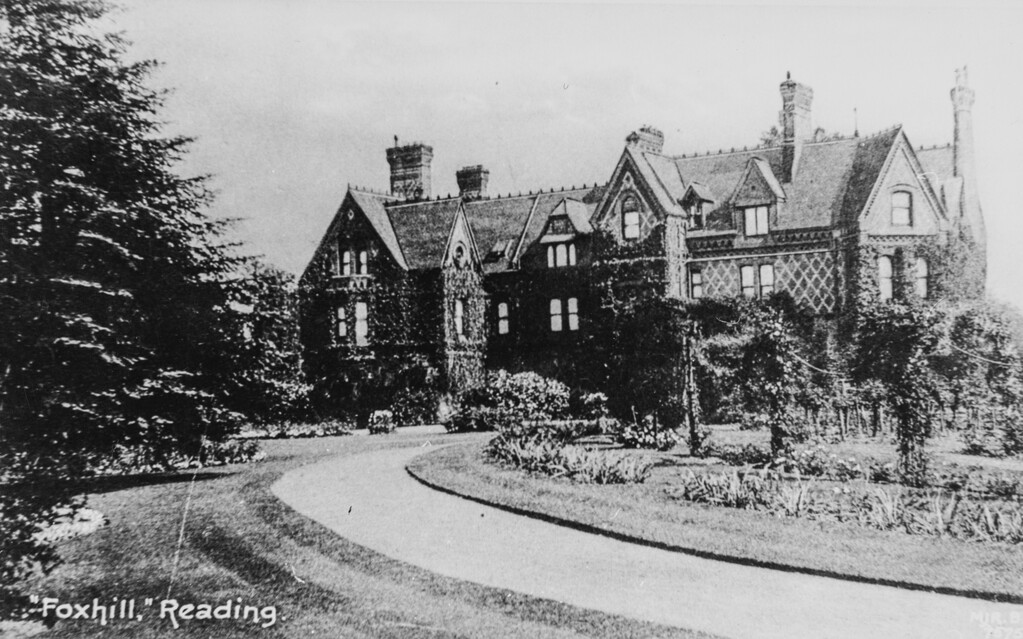
Foxhill
Alfred Waterhouse built Foxhill as a ‘country residence’ in 1868, on 28 acres sublet from his father who lived at Whiteknights.
Foxhill had a lodge on Upper Redlands Road, built in the 1840s for a villa development of Whiteknights Park that failed to materialise.
Foxhill was a Gothic revival style building in red brick with blue brick diapering . Waterhouse lived there until he moved to Yattendon Court which he designed and built in 1880-81. Later owners included Rufus Isaacs, 1st Marquis of Reading, from 1906-19. He was variously Member of Parliament for Reading, Lord Chief Justice of England, the British ambassador to the United States.
(UHC PH3/5/29/1)
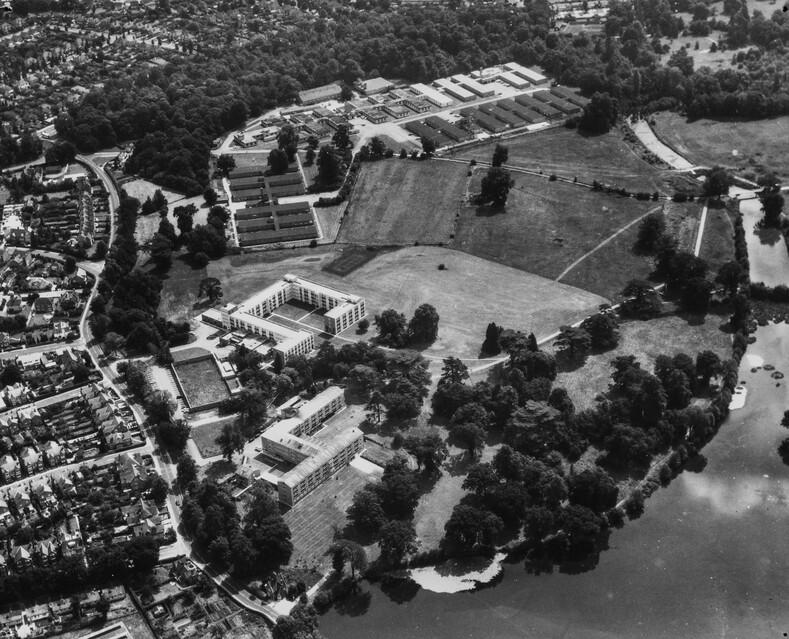
World War 2
In the early 1940s, the Government requisitioned a large parcel of meadow land just inside the Earley Gate. Italian and German prisoners of war were brought to build a hospital in preparation to receive casualties following the D-Day landings.
A few of these buildings, known as ‘Temporary Office Buildings’ (TOBs) still remain. TOB 2 (now partially demolished), on the right-hand side as you enter through the Earley Gate entrance, was designed as a burns unit for casualties returning from France.
(UHC PH3/5/32/5)