
University Heritage – Foxhill House
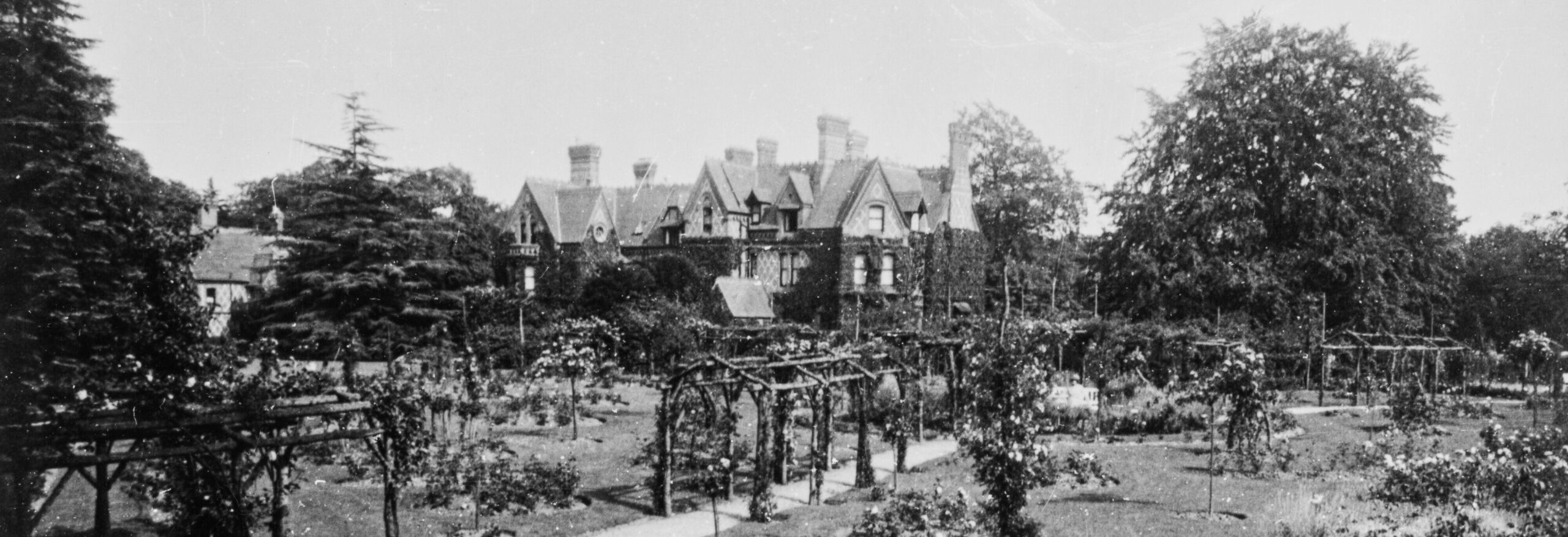
A look at the historic Foxhill House on Whiteknights Campus.
The materials in this online exhibition were compiled by The Friends of the University of Reading as part of their University Heritage leaflet series. For further information about The Friends, including their annual programme of events, list of completed projects and printable copies of the University Heritage leaflets, please visit: thefriends.org.uk
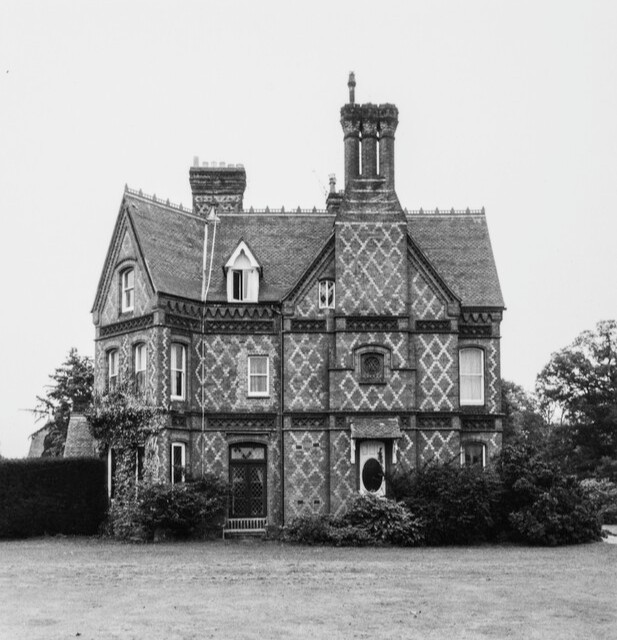
Featured Image: Photograph of Foxhill House from the garden [UHC PH3/5/29/11]
Origins
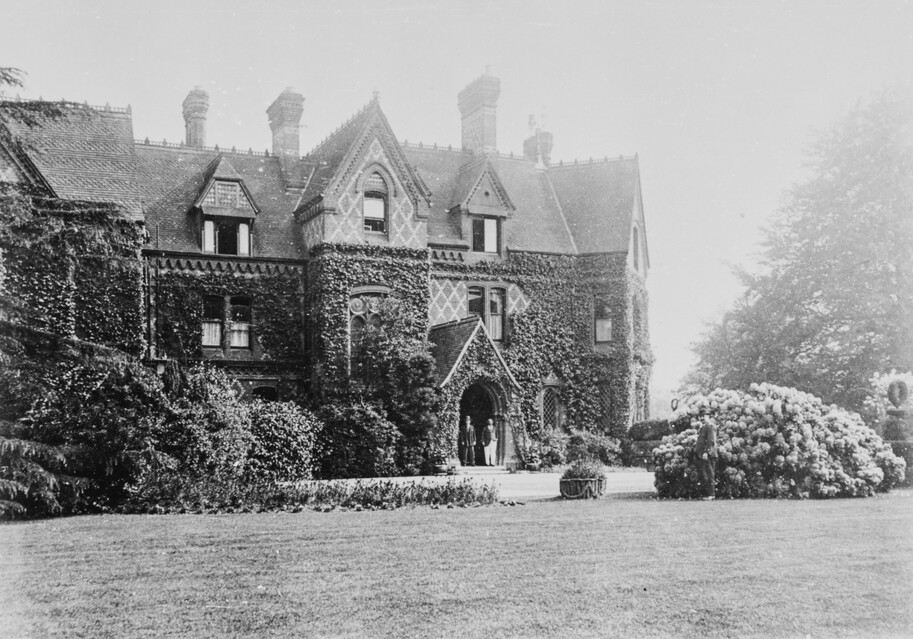
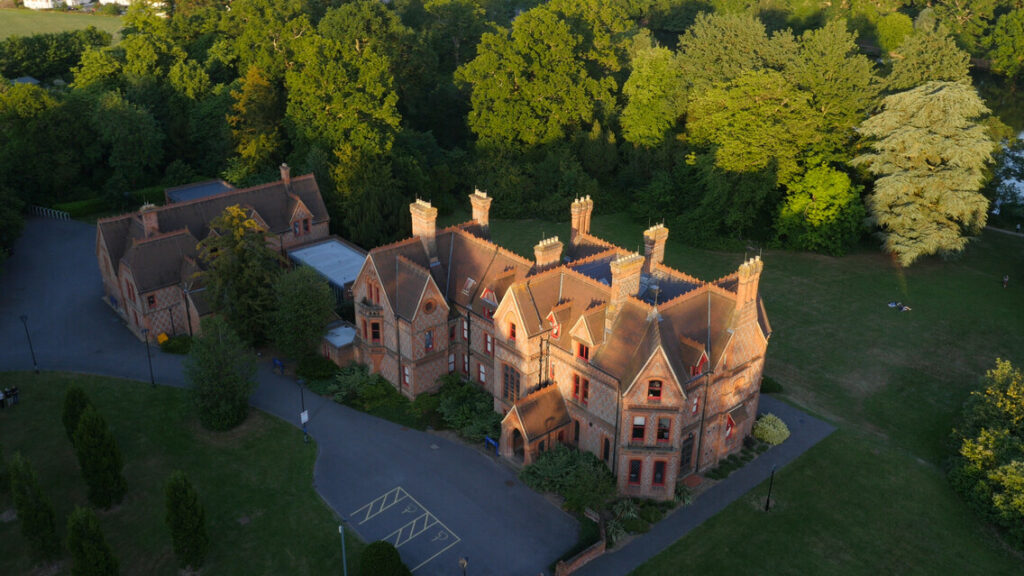
Foxhill House is a Grade II* Listed High Victorian Gothic style building currently houses the University’s School of Law.
The house was built in 1868 by the architect Alfred Waterhouse and used as his own residence. It was built on some 22 acres of land, close to his father who lived at Whiteknights (now Old Whiteknights House).
Foxhill House is the only one of the three houses that Waterhouse built for himself still existing.
(UHC PH3/5/29/1)
Alfred Waterhouse
One of the most successful of Victorian architects, Alfred Waterhouse RA (19 July 1830 – 22 August 1905) was born in Aigburth, Liverpool, the son of wealthy mill-owning Quaker parents.
Although an expert within Neo-Gothic, Renaissance revival and Romanesque revival styles, he never limited himself to a single architectural style. Waterhouse is perhaps best known for his design for the Natural History Museum and Manchester Town Hall; locally, he was responsible for Reading Town Hall (now Reading Museum), East Thorpe (now The Museum of English Rural Life) and Reading School, as well as several houses in Whiteknights Park.
Waterhouse retired from architecture in 1902 and died at Yattendon Court, West Berkshire.
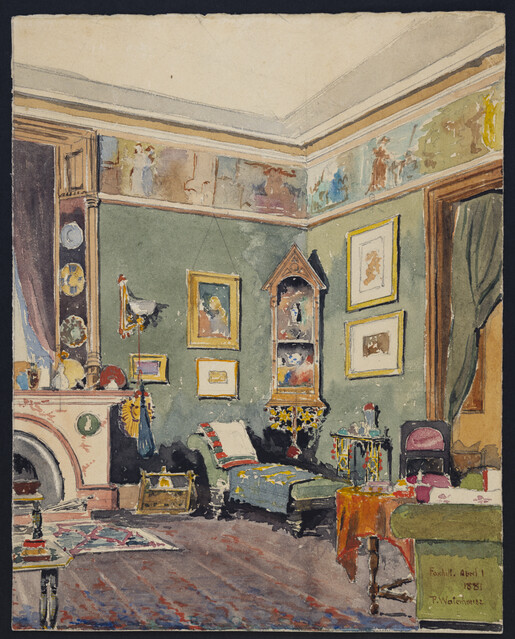
(MS 5516 – Watercolours of the interiors of Foxhill House, Reading by Paul Waterhouse, son of Alfred Waterhouse)
Residents – After Waterhouse
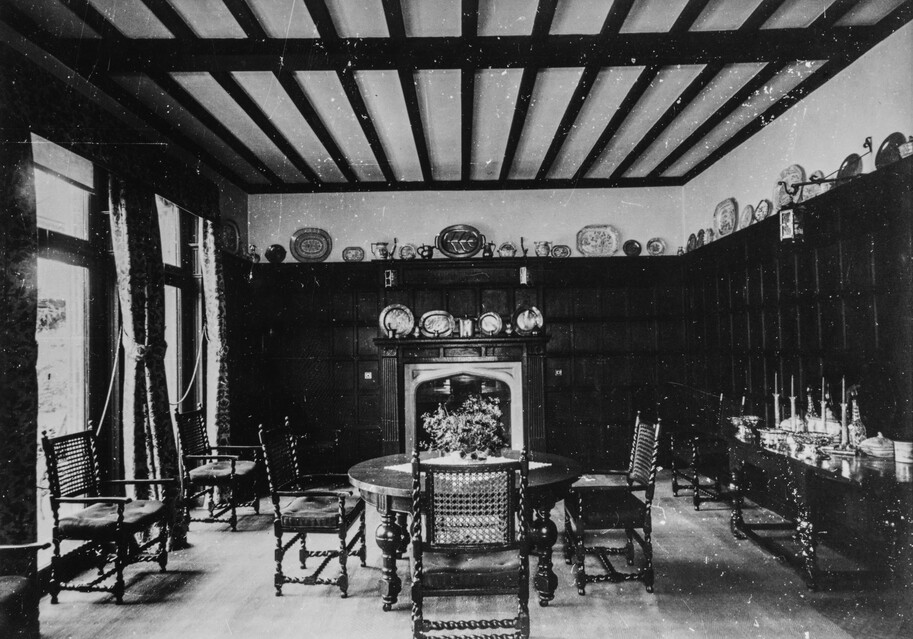
In 1882 the Reading and Earley Street Guides lists Arthur E Phillips as occupying Foxhill. After the death of Arthur Phillips the house was advertised for sale in The Times of 16 June 1892. Mr Edward W Wall was listed as occupying in 1892 and 1895, until some time between 1896 and 1901 when Albert E Huggins took residence.
(UHC PH3/5/29/7)
Rufus Issacs and Baron Hirst
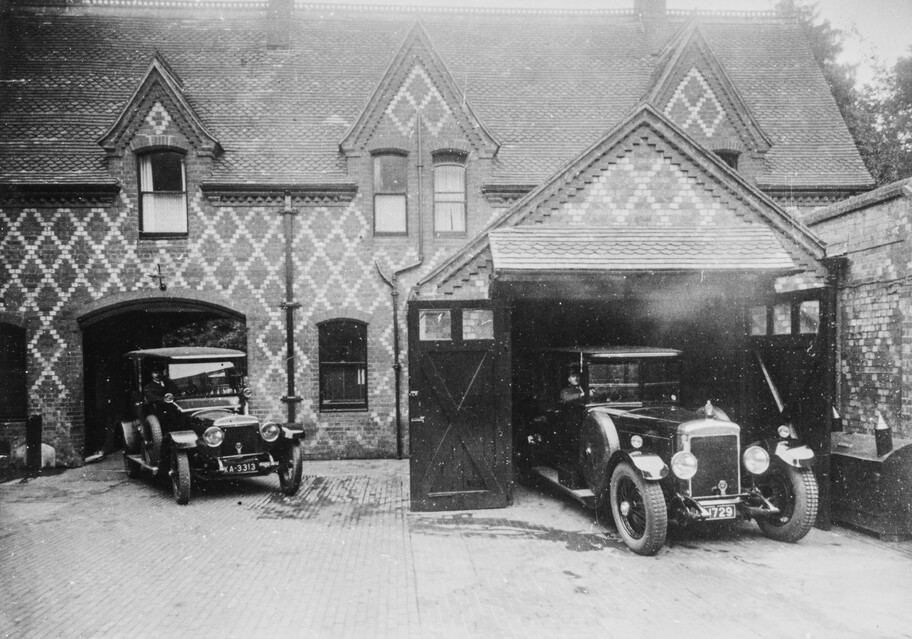
Between 1907 and 1918 Foxhill House was occupied by the then Liberal MP for Reading, Sir Rufus Isaacs KC, who was variously Member of Parliament for Reading, Lord Chief Justice of England (1913-20), British ambassador to the United States, Viceroy of India (1921-26) and 1st Marquess of Reading (1926).
In 1919 Isaacs sold the lease to Hugo Hirst, founder, managing director and chairman of the General Electric Company Ltd, who in 1934 became Baron Hirst of Witton. Hirst lived in the house until his death in 1943.
(UHC PH3/5/29/4)
Acquisition by the University
Following Hirst’s death, the house was occupied by his daughter, Muriel, and her husband until about 1960 when the University gained possession after acquiring the freehold in 1947.
Foxhill House continued to be let as a private dwelling until 1969 when it was refurbished as an annex to the University’s Windsor Hall. It expanded further in 1986 by converting the stable block, previously rented to Goodey Riding Stables, into student accommodation.
(UHC PH3/5/29/6)
Foxhill House Today
By 1999 it became clear the building was unsuitable for student residence and it was closed.
The University took the opportunity to convert Foxhill House to provide a new home for its School of Law, a move that took place in 2004. The development incorporated extensive restoration of the building and expansion work from 2003 to 2009, but very little of the exterior was altered.
Aspects of the work received generous support from the Friends of the University of Reading, and the accountancy firm PricewaterhouseCoopers in memory of Edwin Waterhouse, a co-founder of the company and a brother of the architect.