
University Heritage – Halls of Residence 1894–2025
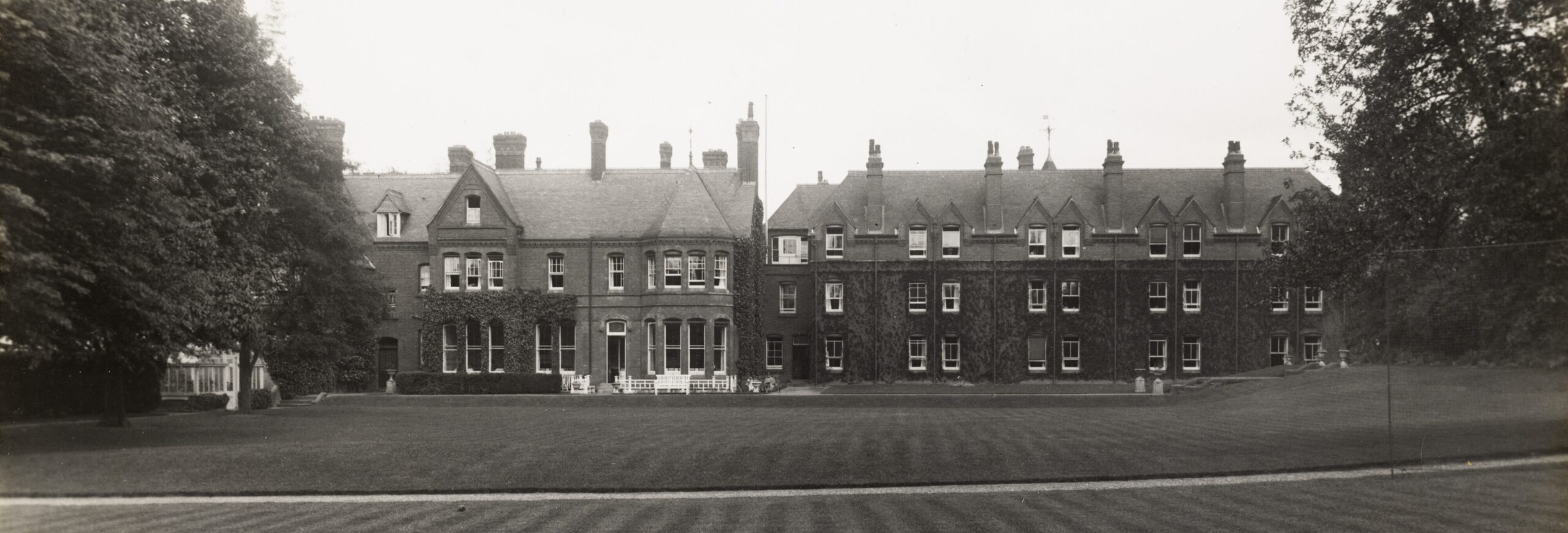
A history of the University of Reading’s Halls of Residence, from 1894 to the present day.
The materials in this online exhibition were compiled by The Friends of the University of Reading as part of their University Heritage leaflet series. For further information about The Friends, including their annual programme of events, list of completed projects and printable copies of the University Heritage leaflets, please visit: thefriends.org.uk
Featured Image: St. Andrew’s Hall [UHC PH3/6/7/13]
Origins – W. M. Childs
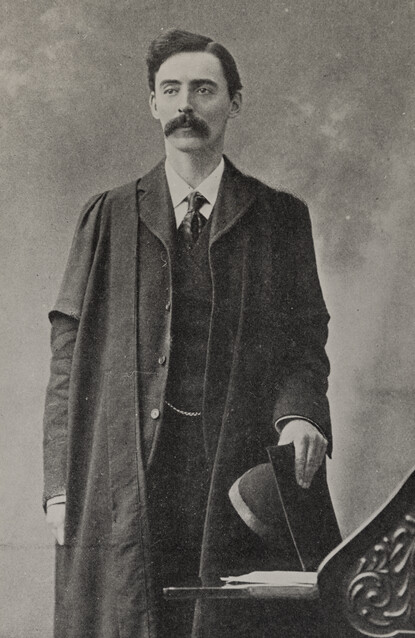
William Macbride Childs, a lecturer in history at University Extension College Reading who became Principal of University College Reading (UCR) and subsequently the first Vice-Chancellor of the University (see leaflets 1 and 2), aimed to enrich the intellectual life of the College community by adopting the historic collegiate character of Oxbridge and Durham. This contrasted with the non-residential approach chosen in London and by the recently established provincial universities.
The effectiveness of Childs’ residential system was a factor in UCR being granted a University Charter in 1926.
(UHC PH3/1/12/7)
Origins – Early Halls
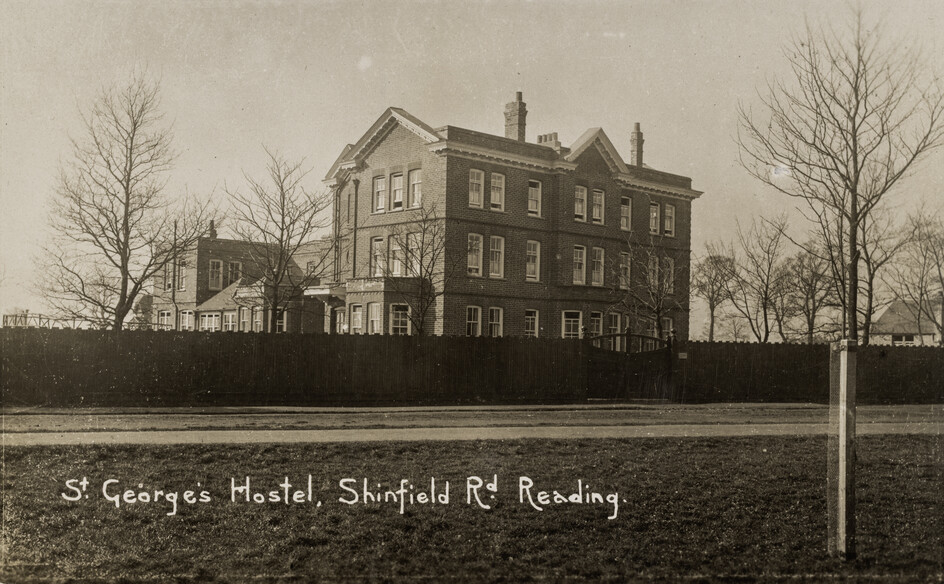
Whereas the established provincial universities of the late 19th century were in large cities which provided an adequate supply of students who lived at home, this was not the case in Reading. Instead, the deficit in numbers of local students was met by providing board and lodgings in houses licensed and supervised by the College for a small number of those students whose homes were at a distance. Thus in 1894 the College arranged such accommodation in two houses, in Castle Hill for men and Kings Road for women.
By 1900 there were two more private ‘hostels’ for women, St George’s Hostel in Castle Crescent and St Andrew’s Hostel at ‘The Beeches’, 106 London Road
(UHC PH3/6/5/1)
Hall Wardens
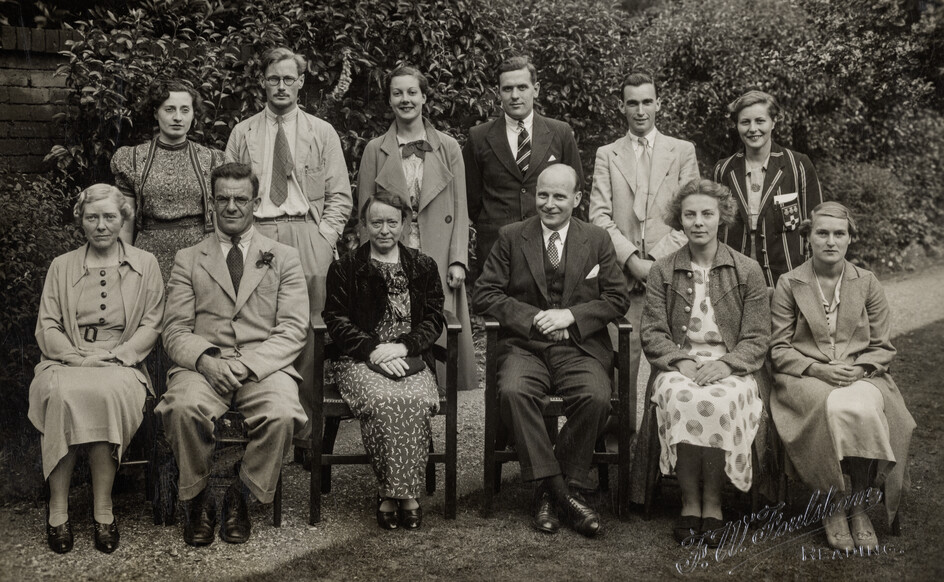
Women staying in these hostels were under the supervision of ‘wardens’ with pastoral and managerial responsibilities and who were existing members of College staff.
In response to protests from wardens that not all of them were accorded academic staff status, all wardens were recognized as such in 1926.
From 1959 to 1976, externally appointed wardens were simultaneously made lecturers in a relevant department. Unmarried academic staff also resided in halls and established their own senior common rooms.
(UHC PH3/2/49/23)
World War I
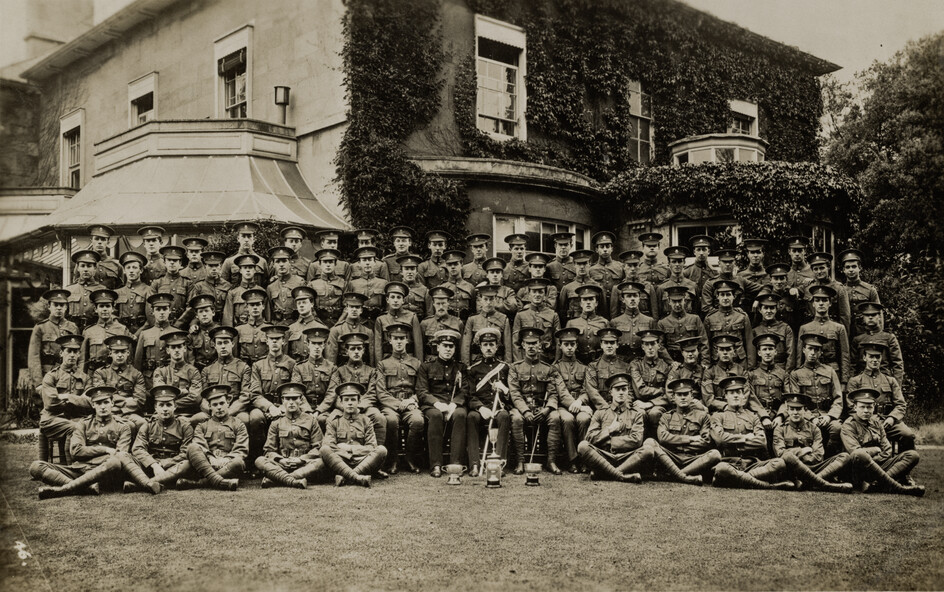
By 1913, the College had five halls of residence, and 95% of the 290 men and women students whose homes were distant from Reading were living in them.
But in 1914 World War I dealt a huge financial blow when all but a few men volunteered for war service. Fortunately, the severe loss in fee income caused by this sudden exodus was checked by an unexpected influx of women students and the War Office taking over the now vacant accommodation. Thus Wantage Hall was used by the Royal Engineers and then, along with St Patrick’s Hall, by the Royal Flying Corps (later named the Royal Air Force).
(UHC PH3/2/29/3)
Interwar Period and World War II
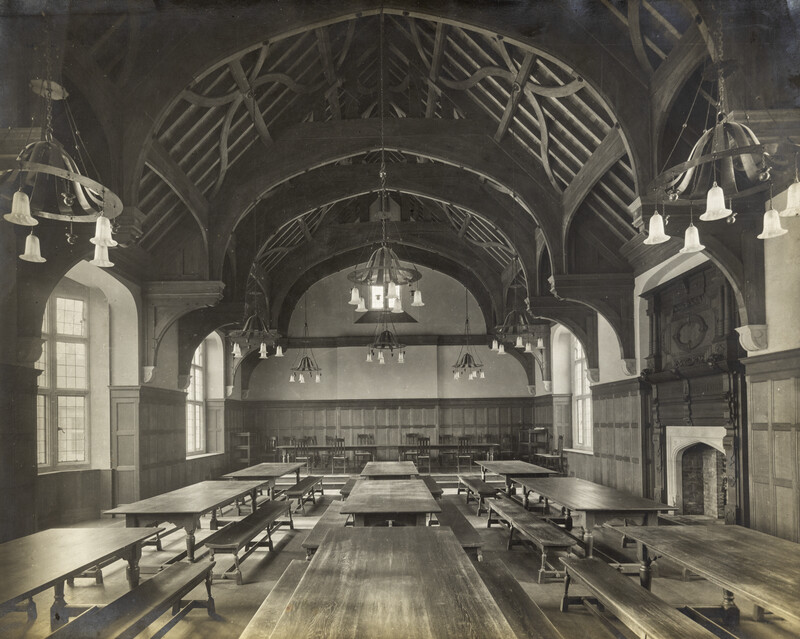
After the First World War the halls were restored to receive students who resumed or began their studies though the numbers were so large that more than hitherto had to live in approved lodgings.
When the RAF vacated the College in 1920, the service was offered the use of Wantage Hall in future national emergences. Thus on the outbreak of World War II in 1939, Wantage Hall was ‘occupied’ again and the displaced male students were accommodated in a new purpose-built residence in Elmhurst Road.
(UHC PH3/6/10/24)
Post-War
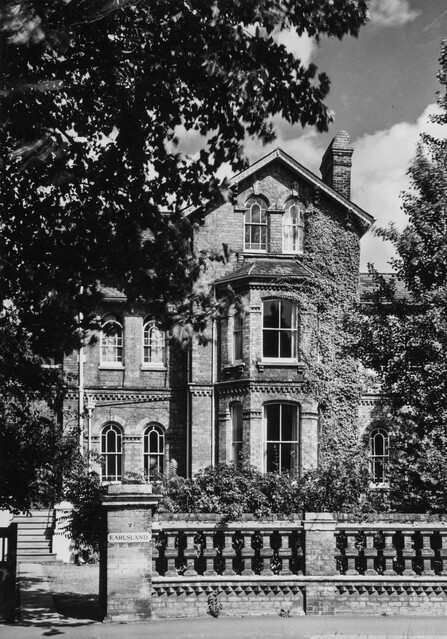
After World War II the University intended to increase student numbers but there were no sites for building the necessary halls. Instead, in 1945 a former hotel on Kendrick Road was purchased for women and named Mansfield Hall with Miss H. S. Kermode as warden.
Also, the number of students living in approved lodgings was increased, and houses that neighboured existing halls were acquired, such as Hillside on Allcroft Road in 1948.
(UHC PH3/6/3/3)
Whiteknights
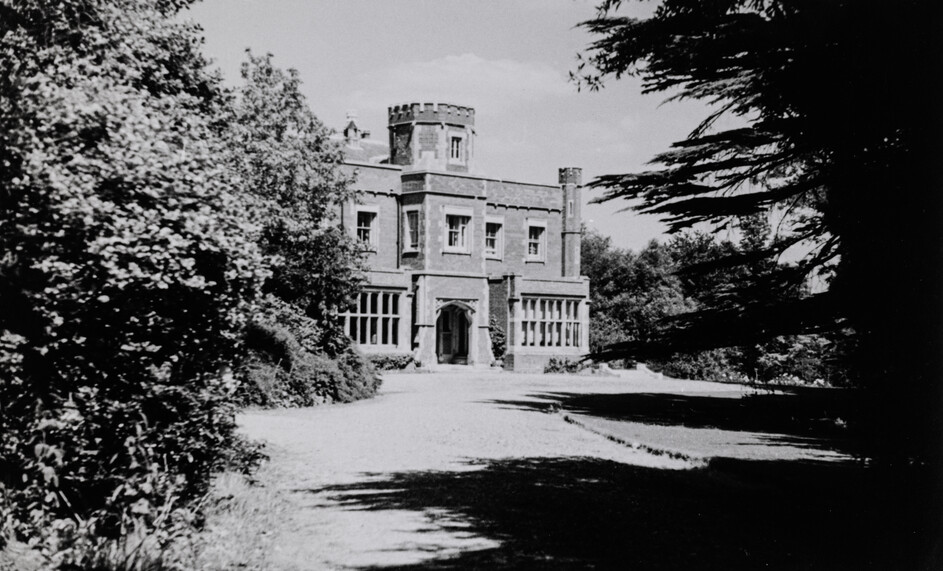
It it was the purchase of another such property that heralded a remarkable change in the University’s history: namely, the purchase of Park House in Upper Redlands Road in 1946 as an annex to St George’s Hall.
This led directly to the acquisition of the entire Whiteknights Park Estate in 1947. As the existing leaseholds in Whiteknights expired, the houses therein became available for the University’s use including as residences for men.
Thus, Whiteknights House and Blandford Lodge temporarily became Whiteknights Park House with F. L. Pearson as warden.
(UHC PH3/5/28/5)
Hall Spirit
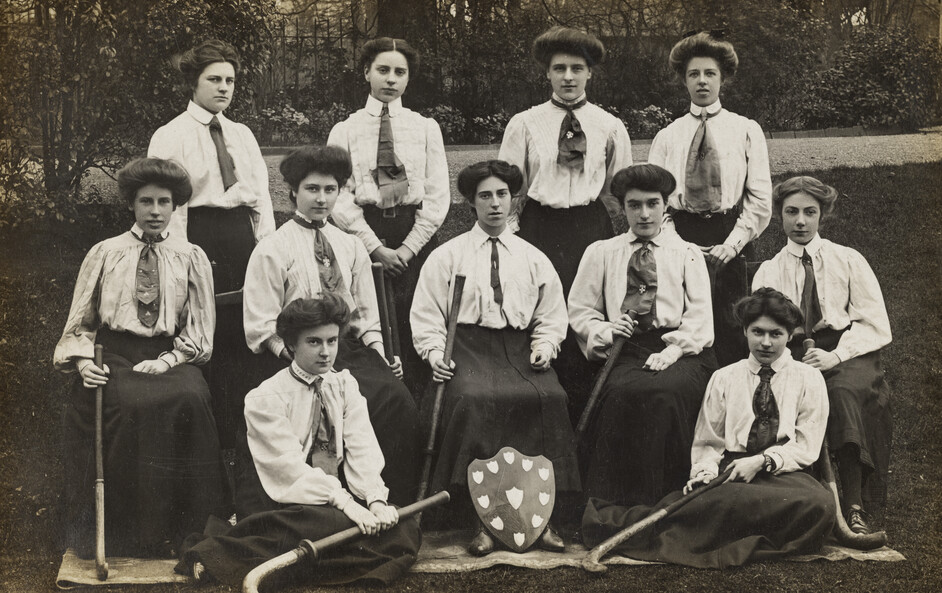
Before 1967 when the Students’ Union moved to a new building in Whiteknights, the meagre facilities provided at London Road had limited its contribution to the student community mainly to sporting events although there was a range of active societies. The gap was filled by the halls through social events and inter-hall sports competitions.
Elements of inter-hall rivalry grew and led to japes being played between halls including ‘Sheep Night’ which became an annual feature. This originated in 1928 when Wantage Hall students protesting at the warden’s zeal in closing the hall gates managed to unlock the gates and drove a flock of sheep into the quadrangle where they remained overnight.
(UHC PH3/2/48/31)
The Halls Today
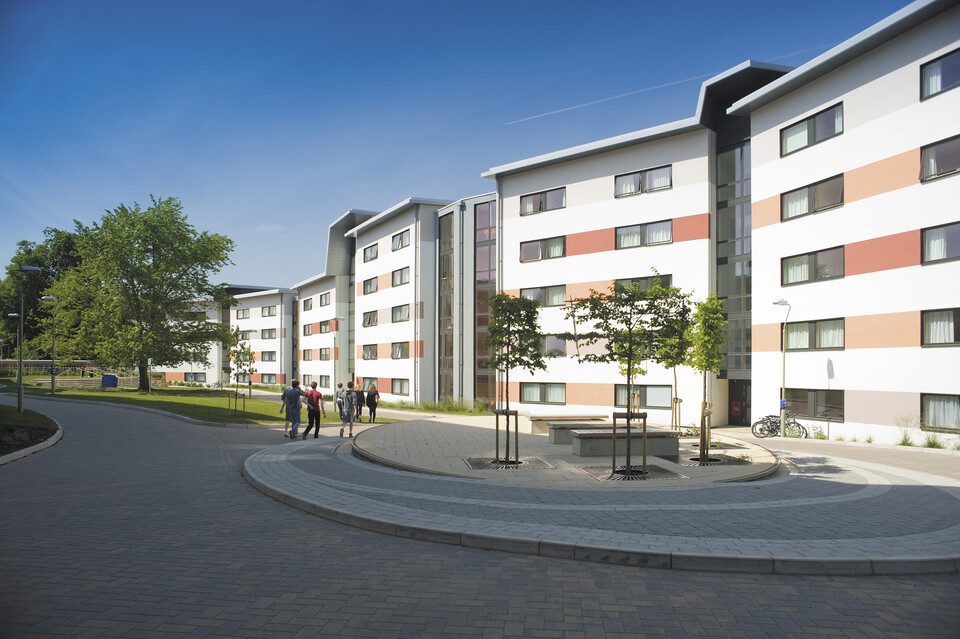
In the 1960s two new halls were built away from Whiteknights (Sibly Hall in Earley and Wells Hall in Upper Redlands Road) and the halls of Bulmershe College in Woodley were acquired on the merger of the two institutions.
The current 15 halls of residence are located either on Whiteknights or within 15 minutes walk.
In 2011 a 125-year partnership was entered whereby UPP (University Partnership Programme) manage and maintain the residential provision, though pastoral care staff are still employed directly by the university.